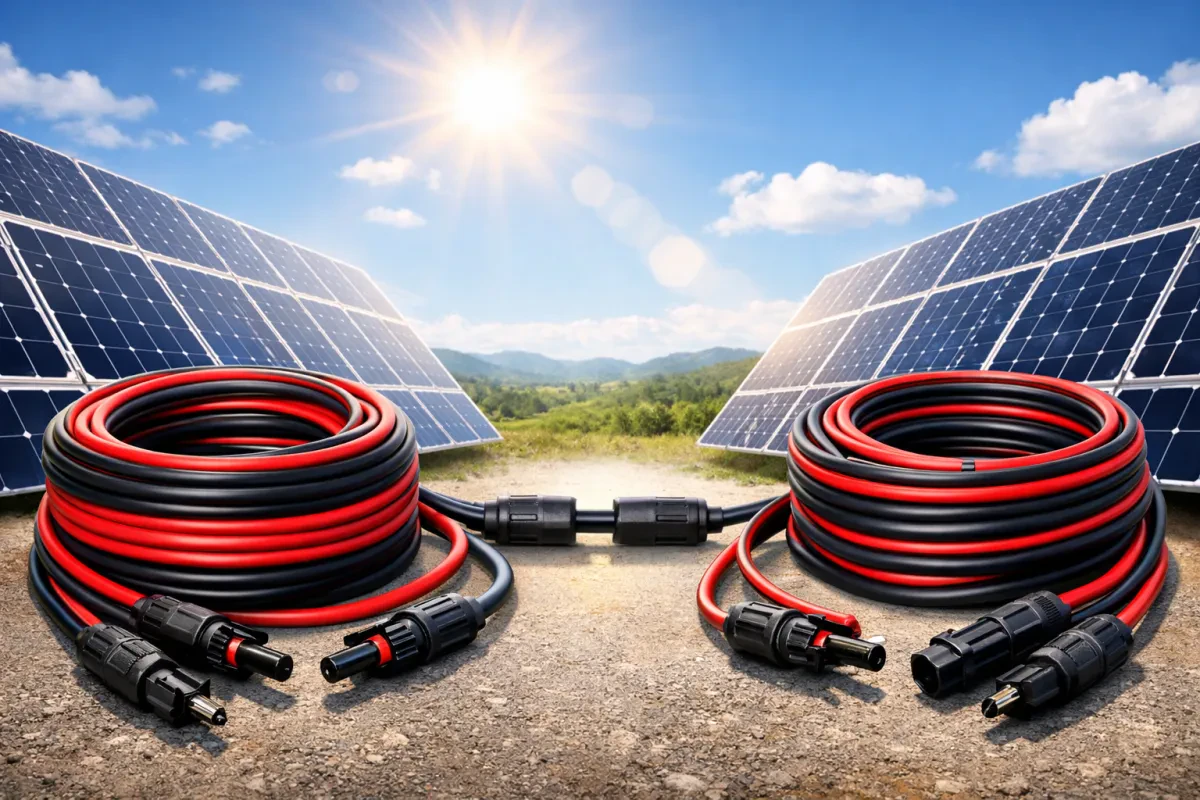
When you’re setting up your solar system, understanding the basics of cables is super important. A 10AWG solar extension cable packs a serious punch when it comes to handling power. It’s thicker than its 14AWG counterpart, which means less resistance and better efficiency. If you want your solar setup to work seamlessly, this cable is a solid choice.
One of the things you’ll want to keep an eye on is the voltage drop. Higher AWG numbers mean thinner wire, which can lead to more resistance and, eventually, a bigger voltage drop. A 10AWG solar extension cable helps keep that voltage drop in check, ensuring your system runs smoothly. This can be a game changer, especially if you're running longer distances from your solar panels to your battery or inverter.
Using a 10AWG solar extension cable means you can count on better performance. Imagine getting the most out of each sunbeam without losing power along the way. It’s the perfect solution if you’re setting up for off-grid living or if you just want to boost your home’s energy independence. You’ll find that this cable usually handles up to about 30 amps safely, giving you plenty of leeway for all your solar needs.
Think about where you're using it. If your panels are close to your battery, you might get away with a thinner cable. But if you’re looking to stretch that distance or connect multiple panels, a 10AWG solar extension cable is what you want. It'll make sure your system works efficiently without any hiccups.
Understanding 14AWG Solar Extension Cable
When diving into solar power setups, understanding the different cable gauges is crucial. The 14AWG solar extension cable is a popular choice among many DIY enthusiasts. It's lightweight and flexible, making it ideal for smaller solar installations. But let’s break down exactly what you should know about it.
The 14AWG cable can handle up to about 15 amps of current. This is fine for smaller systems that don't draw too much power. If your solar setup is relatively modest, like for charging batteries or running lights, a 14AWG cable does the job well. It’s also easier to work with in tight spaces if you're running cables through walls or under floors.
However, it’s important to keep an eye on the voltage drop. A long run of a 14AWG solar extension cable may lead to some noticeable voltage drop. This means your solar panels might not perform at their peak. If you have a larger system that requires higher power, you might want to consider a 10AWG solar extension cable. This type reduces the voltage drop and improves efficiency over longer distances, making sure you're getting the maximum output from your solar panels.
Another thing to consider is the distance. If the cable run from your solar panels to your charge controller or inverter is too long, even a 14AWG extension may not be sufficient. Keep in mind the length and the total current when deciding which cable to use. Always aim for a balance between the right wire gauge and the length of your installation to ensure you're maximizing your solar power without losing energy along the way.
Key Differences Between 10AWG and 14AWG
When you’re diving into the world of solar power, choosing the right wire gauge is crucial. Let’s break down the key differences between the 10AWG and 14AWG cables to help you make the best decision for your setup.
The main difference between 10AWG and 14AWG cables is thickness. A 10AWG cable is thicker, which means it can handle more current. This is super important in reducing resistance and improving efficiency. If you go with a 10AWG solar extension cable voltage drop, you’ll experience less voltage loss over long distances compared to the thinner 14AWG. This means your solar panels can send more power straight to your system without losing a chunk of it along the way.
Another thing to consider is the amount of amperage each can safely carry. If you've got a larger solar setup or high-draw appliances, the 10AWG is your best bet. It can handle up to 30 amps, making it a solid choice for bigger systems. The 14AWG, on the other hand, is suitable for smaller setups and can typically handle about 15 amps. If you overload it, you might run into overheating issues.
Cost can also play a role in your decision. Generally, 10AWG cables are pricier because of their size and the materials used. However, investing in a thicker cable can save you money in the long run by improving your system’s overall efficiency. If you’re serious about maximizing your solar power output, the 10AWG could be worth the extra bucks.
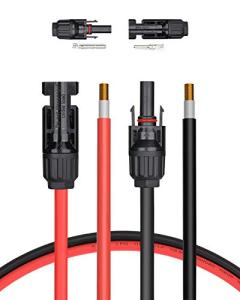
BougeRV 30FT 10AWG Solar Extension Cable Kit
Get the reliable connection your solar setup needs with this durable 30-foot extension cable kit
Product information
$37.99 $32.29
Product Review Score
4.58 out of 5 stars
177 reviewsProduct links
Distance shouldn't cost you power. Most generic solar cables use thin 14AWG or 16AWG wire, which causes 'voltage drop'—a phenomenon where energy is lost as heat before it ever reaches your battery. At a 30-foot distance, thin wires can kill your charging speed by 10% or more. Our 10AWG Heavy-Duty Extension Cable uses thick-gauge copper to ensure that every watt your solar panels harvest actually makes it into your power station. This allows you to keep your panels in the bright sun while keeping your expensive power station cool and protected in the shade.
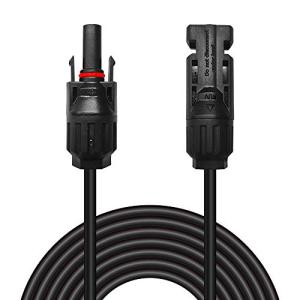
Newpowa 10AWG Solar Extension Cables with Connectors
Easily extend your solar power system with these durable and flexible cables
Product information
$29.99
Product Review Score
4.93 out of 5 stars
55 reviewsProduct links
When to Use Each Solar Cable Size
Choosing the right solar cable size is super important for keeping your solar power system running smoothly. Let’s break down when to use each size, so you can make the best choice for your setup.
If you’re working with smaller, lower wattage systems, a 14AWG cable might be just what you need. This size is great for short runs where you won't experience a significant voltage drop. It’s perfect for small solar panels or setups where your solar panel is close to your charge controller or battery.
On the other hand, if you're dealing with larger systems or longer distances, you should definitely go with a 10AWG solar extension cable. This thicker cable can handle higher currents without much voltage drop. If your solar panels are set up further away from your battery bank or inverter, a 10AWG cable is your best bet to ensure you’re getting as much power as possible. Nobody wants to lose energy along the way!
Here’s a quick rundown:
- 14AWG Cable: Best for short runs and low wattage systems.
- 10AWG Cable: Ideal for longer distances and higher wattage setups.
In short, think about the distance and power of your solar panels. Going too small can lead to power loss, so stick with a 10AWG solar extension cable voltage drop for those longer runs. Your system will thank you!