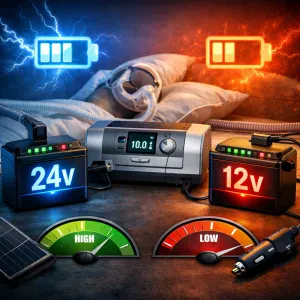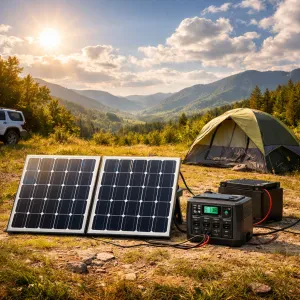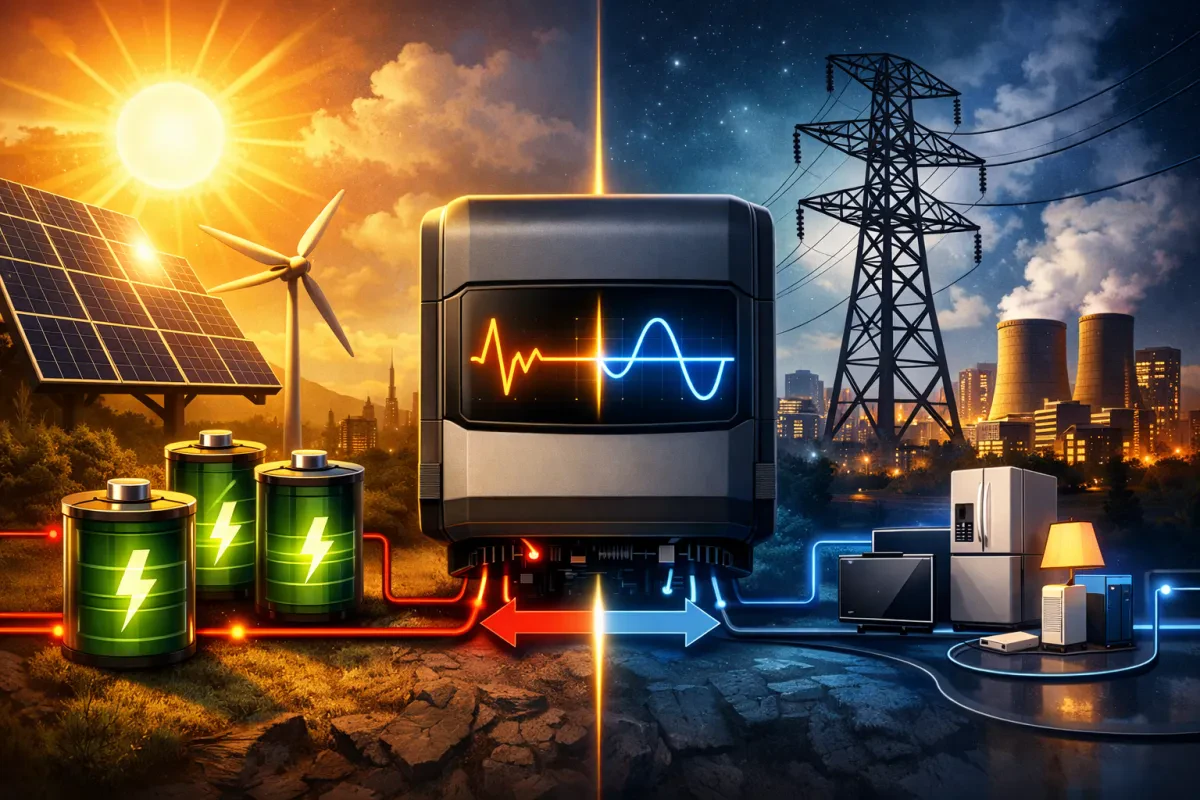
When it comes to energy systems, understanding DC vs AC power efficiency is super important. So, let’s break it down in a way that’s easy to grasp. DC, or direct current, is the type of electricity that flows in a single direction. It's the go-to for batteries and solar panels. You’ll find DC power being used in many off-grid applications since it's often more efficient in storing and utilizing power.
Now, why should you care about efficiency? Think of it this way: when you’re off the grid, every bit of power counts. DC systems usually have less energy loss compared to AC systems. That’s because converting DC power into AC can waste some energy in the process. This is critical if you're trying to maximize your solar energy usage. More efficiency means you can run your appliances longer on the same amount of energy.
Another thing to consider is how your devices work with DC power. Many modern gadgets, especially those built for renewable energy, use DC. This means less hassle with converters and adapters. You can plug in and play without worrying about efficiency drops from switching between power types.
So, when you're looking at DC vs AC power efficiency, think about your lifestyle and energy needs. In off-grid setups, taking advantage of DC power can help you save money and keep your systems running smoothly. It's all about making the most out of the power you have at hand.
Exploring AC Power Benefits
When diving into the world of off-grid power, understanding AC power benefits is a key part of the equation. Many folks wonder why they should bother with AC when DC seems simpler. Let’s break it down.
First off, AC power is super versatile. It can easily travel long distances without losing much energy. So, if you're set up a bit away from your energy source, AC is going to deliver power effectively. With DC, that distance can lead to big energy losses, which is a big bummer if you're trying to maximize your resources.
Another cool thing about AC power is that it plays nicely with most home appliances. You’ll find that many of your gadgets—like refrigerators, microwaves, and lights—run on AC. This makes life easier since you won’t need to hunt for special DC versions of everything. Simplifying your setup is always a win.
Don’t forget about the cost factor. Inverters that convert DC from renewable sources to AC for home use can initially seem pricey. But in the long run, those versatile appliances can save you a ton of money and hassle. Thinking about the whole picture of energy efficiency is where DC vs AC power efficiency really shines.
If you're looking into battery systems or solar setups, AC also offers the added benefit of being compatible with grid connection. This means if your system allows it, you can sell back excess energy to the grid, which can help recoup some setup costs. This is something to think about if you want a sustainable power solution that keeps on giving.
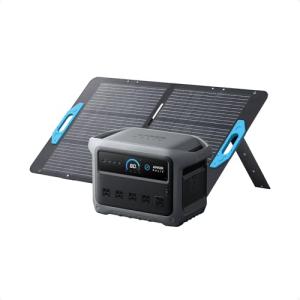
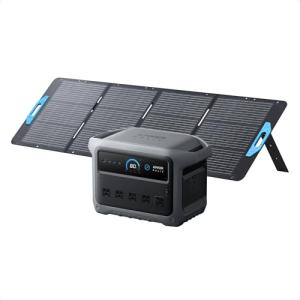
Anker SOLIX C1000 Gen 2 Portable Power Station
Stay powered up anywhere with reliable, compact energy for all your off-grid adventures
Product information
$799.00 $559.99
Product Review Score
4.69 out of 5 stars
185 reviewsProduct links
Comparing DC and AC Inverters
When it comes to inverters, understanding the difference between DC and AC is essential for your off-grid setup. DC, or direct current, comes straight from sources like solar panels or batteries. AC, or alternating current, is what you typically use in your home appliances. The kind of inverter you choose can have a big impact on your energy efficiency, especially when considering DC vs AC power efficiency.
DC inverters are generally more straightforward. They convert the direct current from your solar panels into usable power for your 12V appliances. This means less energy is wasted in the conversion process, making them a solid choice for off-grid living. If you’re running gear that’s designed for DC, like LED lights or some water pumps, you’ll find these inverters do the job well.
On the flip side, AC inverters are great if you need to use regular household appliances. They allow you to run everything from refrigerators to microwaves. However, the downside is that converting DC to AC can lead to some energy loss. While many modern AC inverters are quite efficient, they still might not match the straightforward efficiency of a DC inverter when you're looking at DC vs AC power efficiency.
It's all about what you need. If you're powering small, DC-friendly devices, you’ll probably lean towards a DC inverter. But if you want the convenience of running standard appliances, an AC inverter will serve you well, even if it means a slight dip in power efficiency. Knowing what each type can offer helps you make the best choice for your energy needs.
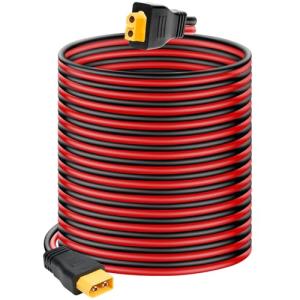
30FT XT60 Extension Cable for Solar Power Stations
Get the flexibility you need to connect your solar power stations with ease and convenience
Product information
$47.99
Product Review Score
4.56 out of 5 stars
61 reviewsProduct links
Maximizing Your Energy Savings
When it comes to energy savings, understanding DC vs AC power efficiency can make a big difference in your off-grid setup. Simply put, DC (direct current) is efficient because it flows directly from the power source to the device without needing to convert into AC (alternating current). This means less energy loss along the way, which is something we all want, especially when we’re trying to keep those power bills low.
One of the best ways to maximize your energy savings is to use DC appliances when you can. These include LED lights, refrigerators, and other household gadgets designed specifically to work with direct current. They’re typically cheaper to run and, since they don’t need an inverter, you'll save on that extra equipment cost too.
But let's not forget about AC power. There are plenty of great appliances that run on AC, so if you’re using them, you want a high-quality inverter. Investing in a solid inverter that’s efficient can really help you tap into the benefits of AC power without losing too much energy. Make sure to pick one that fits your needs and isn’t overkill, which just wastes energy.
Also, consider the setup of your system. The shorter the distance between your power source, like your solar panels, and your appliances, the better. Longer runs of wire can lead to energy loss, especially in DC systems. So if you can, keep everything as close together as possible. This simple tweak can go a long way in optimizing DC vs AC power efficiency in your home.