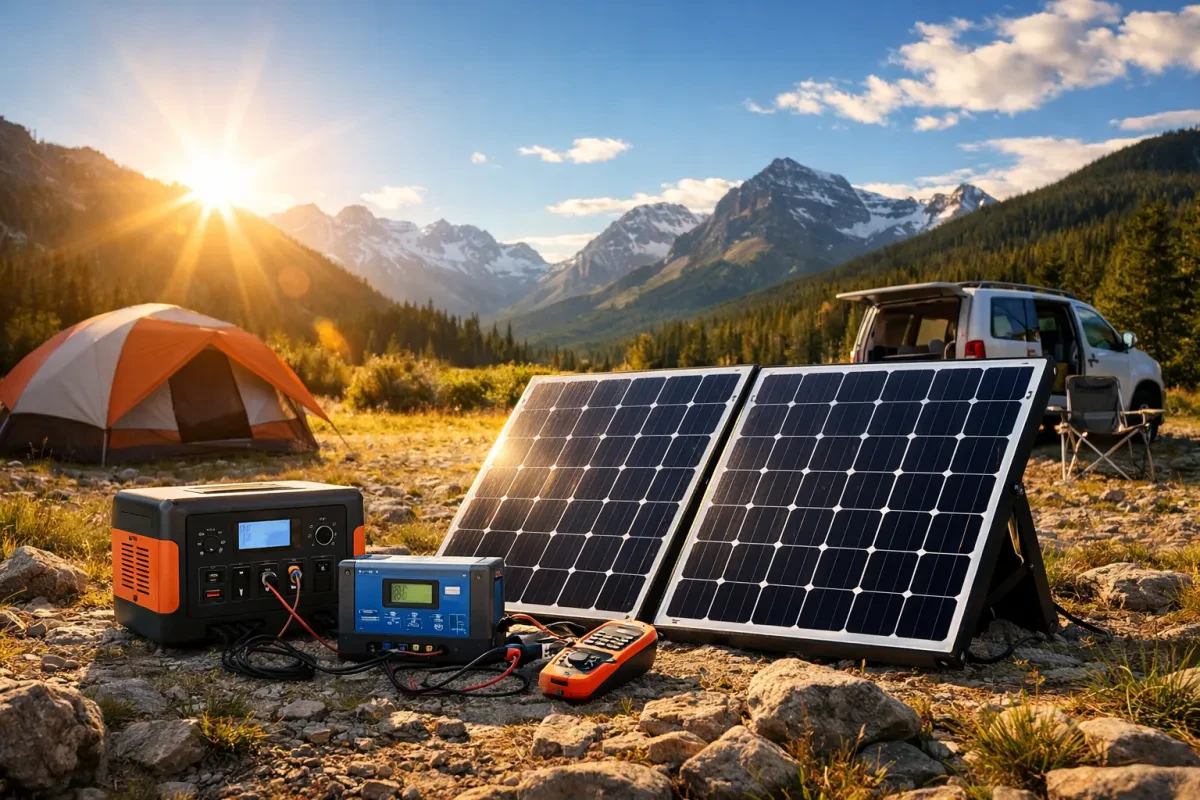
When you’re diving into the world of solar charging, your 200W solar panel is a solid choice. It’s powerful enough to meet your energy needs without being overly bulky. Whether you’re going for a camping trip or powering up your off-grid home, this panel packs a punch.
One of the first things you’ll notice is how easy it is to set up. Just find a sunny spot, angle the panel toward the sun, and you’re ready to go. A little planning can help you get the most out of your panel's performance. Make sure to keep it clean and avoid any shaded areas, so you maximize that sunlight.
Want to know how long it’ll take to recharge your devices? That’s where a portable solar panel recharge time calculator comes in handy. It helps you estimate how long it’ll take your panel to generate enough energy for your needs. Just input your energy requirements, and you can easily figure out your charging time.
Also, consider the type of devices you’re powering. Laptops and small appliances might need more juice, while phones and lights require less. Having a solid understanding of your energy consumption plays a big role in how efficient your solar setup can be. When you match everything well, you won’t just save time; you'll also get the most out of your investment.
Choosing the Right Solar Charge Controller
When it comes to solar energy, the charge controller is a key player. It's like the traffic cop for your solar system, managing the flow of electricity from your panels to your batteries. Picking the right one can make a big difference in how well your setup works. Here are a few things to keep in mind.
First, figure out the type of solar charge controller you need. There are two main types: PWM (Pulse Width Modulation) and MPPT (Maximum Power Point Tracking). PWM controllers are more budget-friendly and work well for small systems, but MPPT controllers squeeze out extra energy from your panels and are great if you have 200W panels. If you plan to expand your solar system in the future, go for the MPPT option.
Next, consider the amperage rating. This indicates how much current the controller can handle. Make sure it matches or exceeds the maximum output from your solar panels. If you're unsure, a portable solar panel recharge time calculator can help you determine how much power you'll need based on your battery and usage.
Also, think about the features you want. Some controllers have built-in displays that show real-time stats, which can be handy. Others might come with Bluetooth connectivity for easy monitoring through an app. Pick what suits your tech needs and comfort level.
Lastly, check for safety features like over-voltage protection and temperature sensors. These can prevent damage and extend the life of your batteries, saving you money in the long run. With the right solar charge controller, you’ll be set up for a successful off-grid experience!
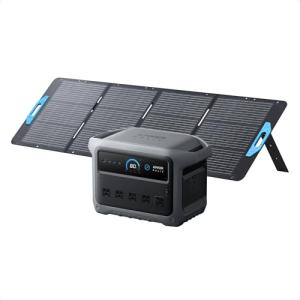
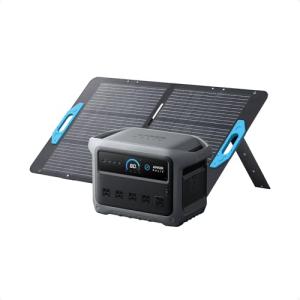
Anker SOLIX C1000 Gen 2 Power Station & Solar Panel
Stay powered up anywhere with this portable power station and its efficient solar panel
Product information
$882.99 $649.99
Product Review Score
4.43 out of 5 stars
165 reviewsProduct links
Setting Up Your Solar Charging System
Next, it’s time to figure out how you’ll connect everything. Most systems will need a solar charge controller. This device helps prevent your batteries from overcharging and keeps everything running smoothly. Make sure you pick a charge controller that matches the voltage and amp rating of your solar panels. It’s an essential part of your setup.
When you start connecting your batteries, remember to keep things organized. Use quality cables and connectors to avoid any issues down the line. It’s a good idea to utilize a portable solar panel recharge time calculator to see how long your system will take to recharge your batteries based on the panel's output. This way, you’ll have a clear understanding of your power generation and consumption.
Once everything is hooked up, double-check your connections to ensure safety. Power systems can be tricky, so take your time to make sure everything is secure. Get familiar with your setup, and don’t hesitate to refer to the manuals that come with the components. You'll be surprised by how much power you can generate, and soon enough, you'll be enjoying the benefits of a solid solar charging system!
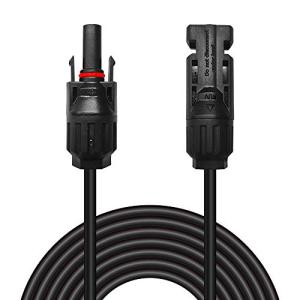
Newpowa 10AWG Solar Extension Cables with Connectors
Easily extend your solar power system with these durable and flexible cables
Product information
$29.99
Product Review Score
4.93 out of 5 stars
55 reviewsProduct links
Maintaining Your Solar Panel for Longevity
Keeping your solar panels in top shape is key to making the most out of them. A little regular maintenance can go a long way in boosting their efficiency and lifespan. Here are some tips to help you care for your solar panels so they perform at their best.
First up, always keep your panels clean. Dust, dirt, and debris can block sunlight and reduce output. Just a quick wash with water and a soft cloth does wonders. If you live in a particularly dusty area or have trees nearby, check your panels every few months. A clean surface means better absorption of sunlight and more energy for you.
Next, check for any signs of damage. Look for cracks, loose connections, or any unusual wear and tear. If you spot something off, it’s best to address it quickly to prevent bigger issues down the line. A little DIY can save you hassle, or you can call a pro if you’re unsure.
Also, don’t forget to monitor your energy production. Using a portable solar panel recharge time calculator can help you figure out how much energy you're getting and spot any dips in performance. Keep an eye on these numbers and adjust your usage habits accordingly.
Lastly, stay aware of your surroundings. Snow, leaves, or even shading from nearby buildings can affect how well your panels work. Trim any branches that might cast a shadow or remove snow buildup after a storm. Keeping your panels exposed to sunlight as much as possible is the goal here!