When it comes to setting up your Starlink Mini system, understanding the power needs is super important. People often wonder how much juice this little satellite dish will use compared to the regular V3 unit. Well, let’s break it down!
The Starlink Mini has a pretty modest power draw. Generally, you're looking at around 30 to 50 watts when it’s actively working. This makes it a great option if you're going off-grid, as it won’t drain your power supply too quickly. Plus, if you’re using solar panels, it’s manageable. You won’t need massive solar arrays to keep it running smoothly.
In contrast, the V3 version can pull anywhere from 60 to 100 watts depending on the conditions. That’s significantly higher. If you’re trying to weigh your options, keep in mind that while the V3 gives some extra features, it also comes with a heftier power requirement. Think about what you need for your specific setup.
So, if your goal is efficient power use, especially in an off-grid situation, knowing the Starlink Mini power consumption is key. It provides all the connectivity you need without overloading your power system. It’s convenient, efficient, and really fits the bill for those who want to stay connected without the hassle of heavy power demands.
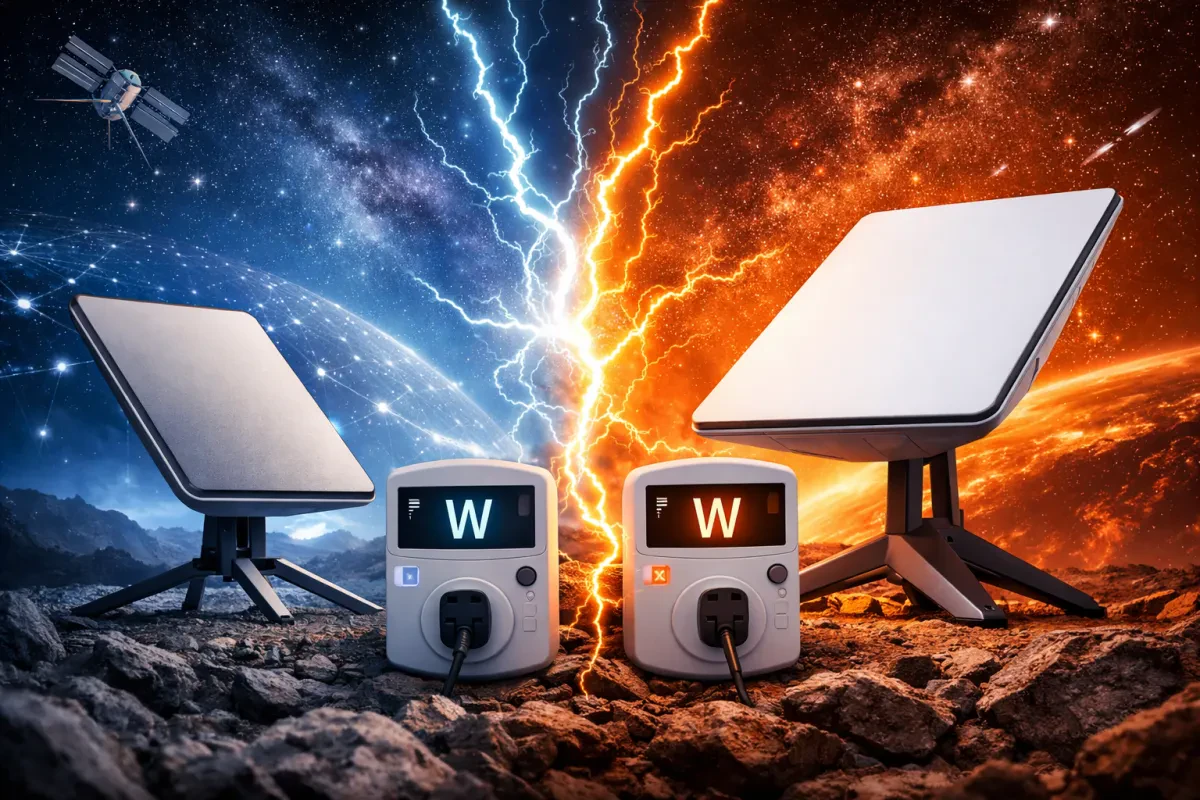
Comparing Starlink Mini and V3 Wattage
If you're diving into the world of Starlink, you might be curious about how the Starlink Mini power consumption stacks up against the V3. Let’s break it down in a way that’s easy to understand. Knowing the power needs of these systems is key, especially if you want to go fully off-grid.
The Starlink Mini is designed for light usage, perfect for campers or anyone needing internet on the go. Its power draw is lower compared to the V3, generally sitting around 50 watts during regular use. This makes it a solid choice if you're trying to save on battery life or cut down on energy use. Plus, it's compact, which is great if you're limited on space.
On the flip side, the V3 offers a bit more power, pulling in about 75 watts. It’s ideal if you need stronger connectivity for streaming or gaming. With this extra wattage, you can expect faster and more reliable internet speeds. But keep in mind, that added power means you'll need a beefier solar setup or larger battery capacity for off-grid living.
When deciding between the two, think about your usage needs. If you’re just browsing and occasional streaming, the Starlink Mini’s power consumption is perfect. But if you’re a heavy user, the V3 might be worth that extra wattage for seamless performance. Whatever you choose, both options bring the internet to places you wouldn’t expect!
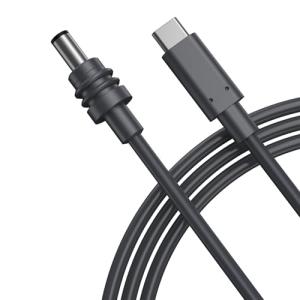
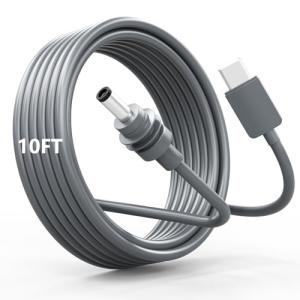
Starlink Mini Waterproof USB-C to DC Power Cable
Keep your devices powered up in any weather with this durable and waterproof USB-C to DC power cable
Product information
$9.99
Product Review Score
4.71 out of 5 stars
26 reviewsProduct links
Why Power Consumption Matters for You
Getting the right idea about power consumption can save you both money and hassle, especially when you’re exploring internet options like Starlink. When comparing Starlink Mini power consumption with the V3 wattage, you’ll want to keep a few key factors in mind. Understanding how much energy these devices use can help you decide if they fit your off-grid lifestyle.
First off, think about your energy budget. Lower power usage means less strain on your solar panels or battery bank. The Starlink Mini power consumption is designed to be efficient, giving you great connectivity without gobbling up all your energy. If you’re living off the grid, every watt counts. So, knowing the exact wattage of each option is crucial to ensure you have enough juice to keep everything running smoothly.
Another thing to consider is how often you’ll use your Starlink system. Will it be non-stop streaming or just occasional browsing? A device that consumes less power will give you the flexibility to enjoy internet access without worrying about draining your batteries too quickly. The Starlink Mini’s efficient design means you can stay online longer, which is a huge perk when you're off the beaten path.
Lastly, don’t forget about the environmental impact. Lower power consumption contributes to a smaller carbon footprint. By opting for options like Starlink Mini, you're making a choice that’s not only better for your wallet but also for the planet. It’s a win-win when you can have reliable internet while also being energy conscious.
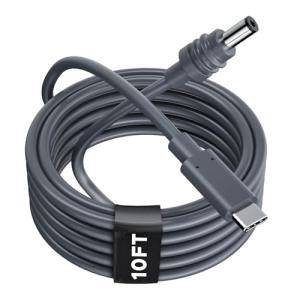
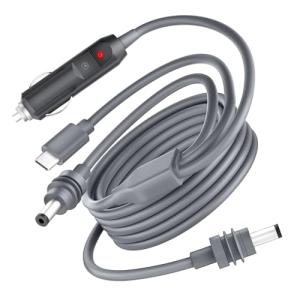
Gtaywell Starlink Mini USB-C to DC Power Cable
Charge your devices anywhere with this handy USB-C to DC power cable
Product information
$9.99
Product Review Score
4.9 out of 5 stars
217 reviewsProduct links
Making the Right Choice for Your Setup
Choosing the right setup for your off-grid needs can feel overwhelming, especially when you’re looking at the power demands of something like Starlink. If you're considering the Starlink Mini power consumption, it's smart to understand how it compares to the V3 wattage. Knowing these details can help you decide what kind of power source you need.
The Starlink Mini uses less power overall than the V3 model. It's designed for efficiency, making it a great choice if you want to minimize your energy use while staying connected. On average, the Mini consumes around 50 watts compared to the V3, which can draw up to 75 watts. If you’re in a remote area or just want to be energy-conscious, this difference can add up over time.
If you’re planning to run multiple devices or want to be off-grid for an extended period, think about your power source. Solar panels can be a great way to keep everything running smoothly. Make sure to size your solar setup to account for the Starlink Mini power consumption so you can enjoy uninterrupted internet access while being kind to the planet.
Don’t forget to consider battery storage too. A good battery system can help you store power for those cloudy days or during peak usage times. By matching your battery capacity with the needs of the Starlink Mini, you’ll stay connected without stressing about battery life. It’s all about finding that sweet balance that works for your lifestyle.